
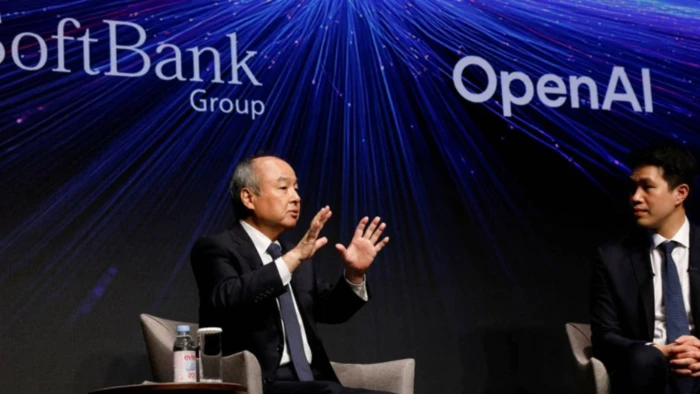
The economics of digital defense have been lopsided for years. SoftBank’s new security tool, built with OpenAI technology, is a wager that artificial intelligence can help tilt the math back toward the people doing the defending.
Defenders have always played an unfair game. An attacker has to find one way in; the people guarding the network have to be right across thousands of systems, employees and software updates. SoftBank has now stepped into that imbalance with a new AI cybersecurity service built with OpenAI technology, betting that the same technology reshaping software can help defend critical infrastructure.
The service, called “Patching as a Service,” is being launched in Japan through SB OAI Japan, the joint venture between SoftBank and OpenAI. It is designed to support enterprise cybersecurity teams with vulnerability assessments, remediation planning and implementation advisory.
The Math That Favors the Attacker
The scale of the problem is easy to underrate until you put numbers to it. Cybersecurity teams are already dealing with a global talent shortage, costly breaches and long detection windows. For many companies, the challenge is not only finding threats. It is finding them fast enough to act before damage spreads.
Then there is the sheer volume. Security teams can face constant streams of vulnerabilities, alerts, software patches and compliance demands. Analysts burn out sifting through the noise while the few serious risks hide in the flood.
That flood is the gap SoftBank says its service is built to close.
What the Tool Actually Does
Patching as a Service is not being presented as a simple chatbot for cybersecurity teams. It is a service built around vulnerability diagnosis and remediation support.
The system is meant to help companies assess cyber weaknesses, build repair plans and receive guidance on implementation. In practice, that means helping security teams move from a long list of weaknesses toward a clearer plan for what needs fixing first.
That focus matters. Many companies already know they have security gaps. The harder question is which ones should be fixed first, which systems carry the highest risk and how to apply repairs without disrupting essential operations.
SoftBank says the service will initially focus on Japan’s critical infrastructure. That includes major companies behind services such as airports, power systems and transportation networks.
Why SoftBank and OpenAI Are Moving Here
The pairing is not random. SoftBank has made artificial intelligence central to its future strategy, while OpenAI’s models give the company a powerful technical foundation for enterprise AI services.
Cybersecurity is a sharp place to test that relationship. Businesses are spending heavily on defense because the cost of failure is high. A serious breach can damage operations, customer trust and public safety. For infrastructure companies, the consequences can move beyond money and affect daily life.
The launch also arrives as AI-enabled cyber threats become more serious. Attackers can use AI to automate parts of their work, scale phishing and search for weaknesses faster. SoftBank’s bet is that defenders need stronger AI tools of their own.
The company is treating the rollout as a major effort. Around 50 people are currently working on it, with plans to expand that number to about 1,000.
The Part Businesses Should Watch Closely
There is a catch, and it is a serious one.
The same technology now reinforcing defense can also strengthen attacks. Models that help defenders understand weaknesses can also help criminals move faster. AI does not end the arms race. It accelerates it.
There is a second problem. AI systems can sound confident even when they are wrong, and a cybersecurity recommendation is not a casual suggestion. In a field where one missed weakness can cause major damage, trust has to be earned slowly.
That is why human oversight still matters. AI may help organize findings and support remediation planning, but security teams still need to review decisions, understand business impact and decide when a fix should be applied.
This service will be judged not by how advanced the model sounds, but by how well it helps companies reduce real risk.
Why This Matters Beyond the Technology
I find something both hopeful and unsettling in a launch like this.
The hopeful part is simple. Security work is exhausting. Behind every alert dashboard is a person trying not to miss the one warning that matters. If AI can help those people focus on the real risks faster, that is meaningful progress.
The unsettling part is harder to shake. We keep giving the same new power to both sides of the fight, then act surprised when the fight speeds up. Defenders will have smarter tools. Attackers will too.
So the goal should not be to replace security teams with automation. The goal should be to give them better signals, clearer priorities and more time to fix what matters before something breaks.
The best outcome is not a flashy system that sounds impressive in a demo. It is a quieter night for the people responsible for keeping essential systems safe.
Comments 0
Join the discussion and share your perspective.
Sign in to post a comment and reply to other readers.
No comments yet
Be the first to share your perspective on this article.